Is Australia’s Food Security on Shaky Ground? Why Local Growing Matters More Than Ever
Australia Produces Plenty of Food - But That Doesn’t Mean Food Security Is Guaranteed
Australia is often described as a global agricultural powerhouse.
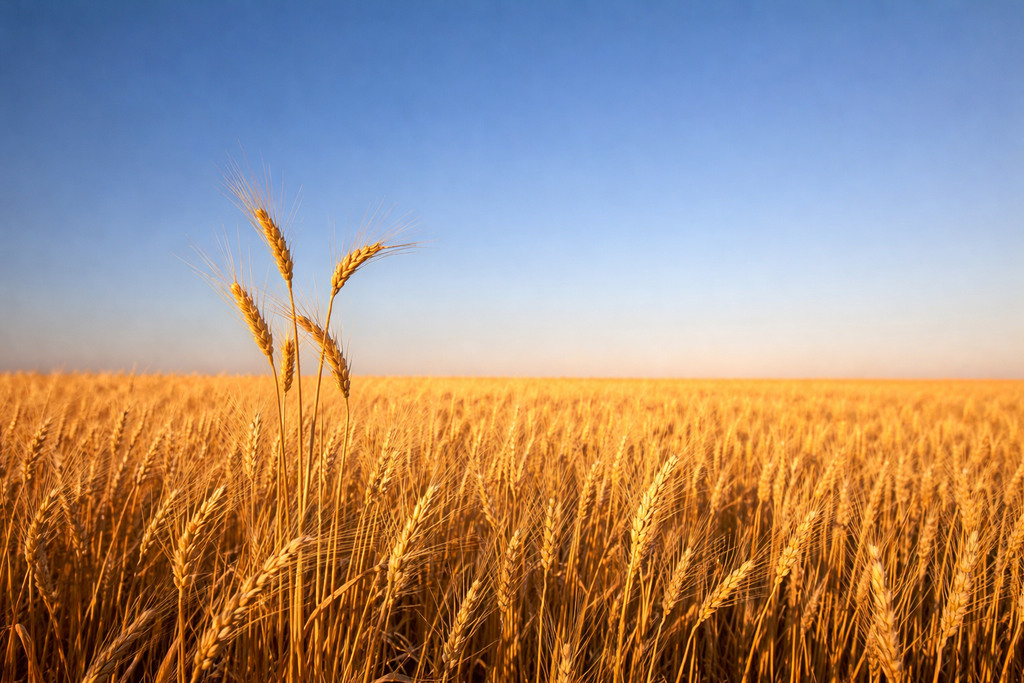
We produce huge volumes of wheat, beef, lamb, fruit and vegetables, and the country exports a large share of what it grows. According to the Australian Government Department of Agriculture, Fisheries and Forestry (DAFF), around 70% of Australia’s agricultural production is exported overseas.
At first glance, that makes Australia’s food security look extremely strong.
But there’s an important detail that often gets overlooked.
While Australia grows a lot of food, many of the inputs used to grow that food come from overseas.
Two of the biggest dependencies are:
-
imported fertilisers
-
imported diesel fuel
If those supply chains are disrupted, the cost of producing food in Australia can rise quickly.
The Fertiliser Australia Relies On Mostly Comes From Overseas
Modern agriculture depends on three key nutrients to maintain crop productivity:
-
Nitrogen
-
Phosphorus
-
Potassium
These nutrients are commonly applied to crops through fertilisers.
However, Australia imports a large proportion of these products.
For example:
-
Australia imports most of its urea, a nitrogen fertiliser widely used in cropping.
-
Around 80–90% of phosphate fertiliser used in Australia is imported.
-
Potash (potassium fertiliser) is almost entirely imported.
Much of this fertiliser travels thousands of kilometres before it reaches Australian farms.
These supply chains rely on international mining, manufacturing, shipping and global energy markets.
If any part of that chain becomes disrupted, fertiliser prices can rise sharply.
Diesel Is Another Critical Input in Australian Agriculture
Fertiliser is only part of the story.
Modern farming also depends heavily on diesel fuel.
Diesel powers:
-
tractors and harvesters
-
irrigation pumps (commonly)
-
grain handling equipment (not always)
-
refrigerated transport
-
trucks moving food across the country
Australia imports a significant portion of its refined fuel supply. According to Australian energy data, around 80–90% of Australia’s refined fuel is imported, including diesel.
This means global energy markets directly affect the cost of producing food in Australia.
If fuel prices rise, farmers face higher costs for planting, harvesting and transporting crops.
Global Shipping Routes Also Affect Australia’s Food System
Because Australia is geographically isolated, most international trade arrives by sea.
Important global shipping routes include:
-
the Strait of Hormuz
-
the Red Sea
-
the Suez Canal
These routes are key pathways for energy, fertilisers and other agricultural inputs.
If conflicts, geopolitical tensions or shipping disruptions affect these routes, freight costs increase and delivery times become longer.
When that happens, the cost of farm inputs such as fertiliser and fuel rises.
Ultimately, those costs can flow through the supply chain and affect food prices.
Growing Food at Home Helps Build Local Food Resilience
Food security is not only about large farms.
Local food production can also play a role in strengthening resilience.
Growing food at home can help households:
-
reduce reliance on long supply chains
-
produce fresh food locally
-
become less exposed to price fluctuations
-
reconnect with how food is grown
Even small spaces can produce meaningful amounts of food.
How Self-Watering Garden Beds Make Growing Food Easier
This is where wicking beds and self watering garden beds become useful.
Wicking beds store water in a reservoir beneath the soil. Plants draw moisture upward through capillary action, allowing the soil to remain evenly moist for longer periods.
Benefits of wicking systems include:
-
reduced watering frequency
-
improved water efficiency
-
consistent moisture for plant roots
-
less evaporation during hot weather
For many gardeners, systems like WaterUps wicking cells and self-watering planters make growing vegetables far more reliable.
Instead of watering every day, the reservoir provides a steady supply of water that plants can access as needed.
Australia’s Food Security Depends on More Than Rain
Australia will likely remain a major food producer.
However, the strength of the food system depends on more than just good seasons and fertile land.
It also depends on:
-
access to fertiliser
-
stable energy supplies
-
reliable shipping routes
-
healthy soil systems
-
local food production
Supporting local innovations, improving soil health and encouraging people to grow even small amounts of food at home can all contribute to a more resilient system.
Sometimes strengthening food security starts at the national level.
And sometimes it starts with something much simpler. A garden bed, good soil and a few seeds.